
The Canadian Association of Orthopaedic Medicine
The CAOM is a Canadian not-for-profit medical education organization focused on hands-on training for Canadian physicians and allied healthcare providers to deliver interventional care of musculoskeletal conditions using regenerative injection therapies that include PRP, prolotherapy, perineurial injection therapy (PIT), and nerve hydrodissection; manual therapies; and lifestyle medicine.
Join Us at our Annual General Meeting
To be held virtually in January of 2027. Stay tuned for more details.
Not a member yet? Become a CAOM Member now and save up to $300 on your Annual Conference and other event fees. Click here to join.
Evidence-informed. Collaborative. Clinical.
Together with a national network of clinicians, advancing musculoskeletal pain care through professional development and certification.
Hands-on clinical workshops and training
CROMIC certification for regenerative injection practice
Annual conference and continuing education
Resources for physicians and allied health professionals
Subscribe to Stay Informed
Contact Us
We will get back to you as soon as possible.
Please try again later.
Frequently asked questions
What is the CAOM?
The CAOM stands for the Canadian Association of Orthopaedic Medicine. The organisation consists mostly of Canadian medical doctors, with some allied health professionals. There are different medical specialties represented, from physiatrists, family physicians, sports medicine doctors and other specialties like rheumatology, anaesthetics and orthopaedic surgery. Our common interest is excellent treatment for chronic musculoskeletal pain.
How does orthopaedic medicine differ from orthopaedic surgery?
Orthopaedic medicine includes many different methods of treatment for chronic pain EXCEPT surgery. Sometimes surgery can be avoided by first using other interventional treatments. Sometimes treatment can aid recovery after surgery is done. And sometimes post-surgical nerve irritation/inflammation can be addressed by orthopaedic medicine techniques.
What are some commonly treated conditions?
Anything related to the muscles/tendons/joints and ligaments, from migraines to plantar fasciitis and everything in between, such as rotator cuff shoulder injuries, tennis elbow, knee or hip or any other arthritis, back or neck pain, sacroiliac pain etc.
What are some methods of treatment?
Some treatments by CAOM members include prolotherapy, manual techniques, manipulation and osteopathy, peripheral nerve hydrodissection for trapped or inflamed nerves, platelet-rich plasma injections, hyaluronic acid or cortisone injections, trigger point injections, acupuncture, clinical hypnosis, botulinum-A toxin injections and others. There is also a priority placed on lifestyle choices, advice on supplements, diet, exercise, rest and stress reduction.
What is prolotherapy and what is platelet-rich plasma?
Both of these are injection methods aiming to stimulate the body’s natural healing cascade, promoting decreased pain and (in animal models) collagen production and healing of painful tissues. Prolotherapy uses concentrated dextrose (sugar) with an anaesthetic, and platelet-rich plasma involves the patient’s own blood, ie. phlebotomy followed by centrifuging to concentrate the platelets. The platelets are injected into the painful region such as an arthritic knee, and there they release their contents of cytokines and growth factors, stimulating the healing process.
What about stem cells?
Stem cell treatments, whether autologous (your own) bone marrow or fat-derived, or from another source, are not currently permitted by Health Canada, except in approved research studies.
What are manual medicine techniques?
These can range from manipulation of tissues, osteopathic manoeuvres, “pain neutralization technique”, Cyriax techniques, different methods of fascial work or deep tissue work etc.
Where can I learn about orthopaedic medicine interventional treatments?
Please see the position statement on prolotherapy training. For manual medicine training, this will depend on what aspect is of interest. Michigan State University College of Osteopathy and the Philadelphia College of Osteopathic Medicine offer training. The best way to find specific answers is to talk to a CAOM Board member or another CAOM member you may know, or attend the annual conference/AGM.
Do CAOM members prescribe medication?
Sometimes medication is indicated and effective in pain treatment, and can be prescribed topically as well as orally or by injection. Members will have different skill sets and opinions about their use. Some members are very experienced in prescribing supplements and medications either by themselves or along with other treatments. There is teaching about this topic (and many others) at most of our meetings.
What are these treatments trying to achieve?
Often, we are trying to reduce a patient’s need for medication, or in the case of prolotherapy or platelet-rich plasma we are aiming to stimulate the body to initiate its own healing cascade. We aim not only to decrease pain which has often gone on for years, but also to markedly improve function, activities and exercise.
Where can I find a CAOM practitioner?
You can search for members by province on the Find A Doctor page.
Does the CAOM hold meetings?
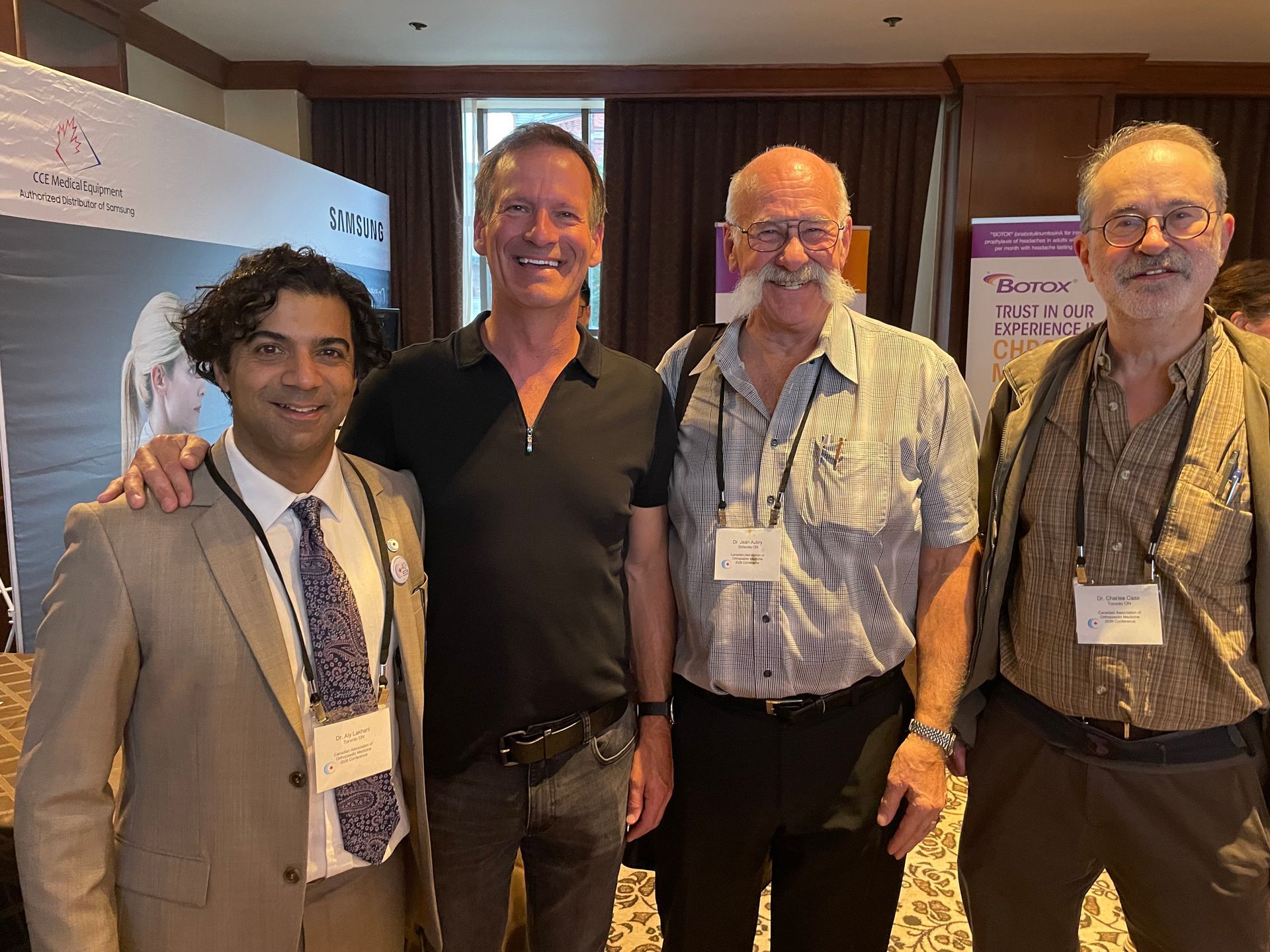
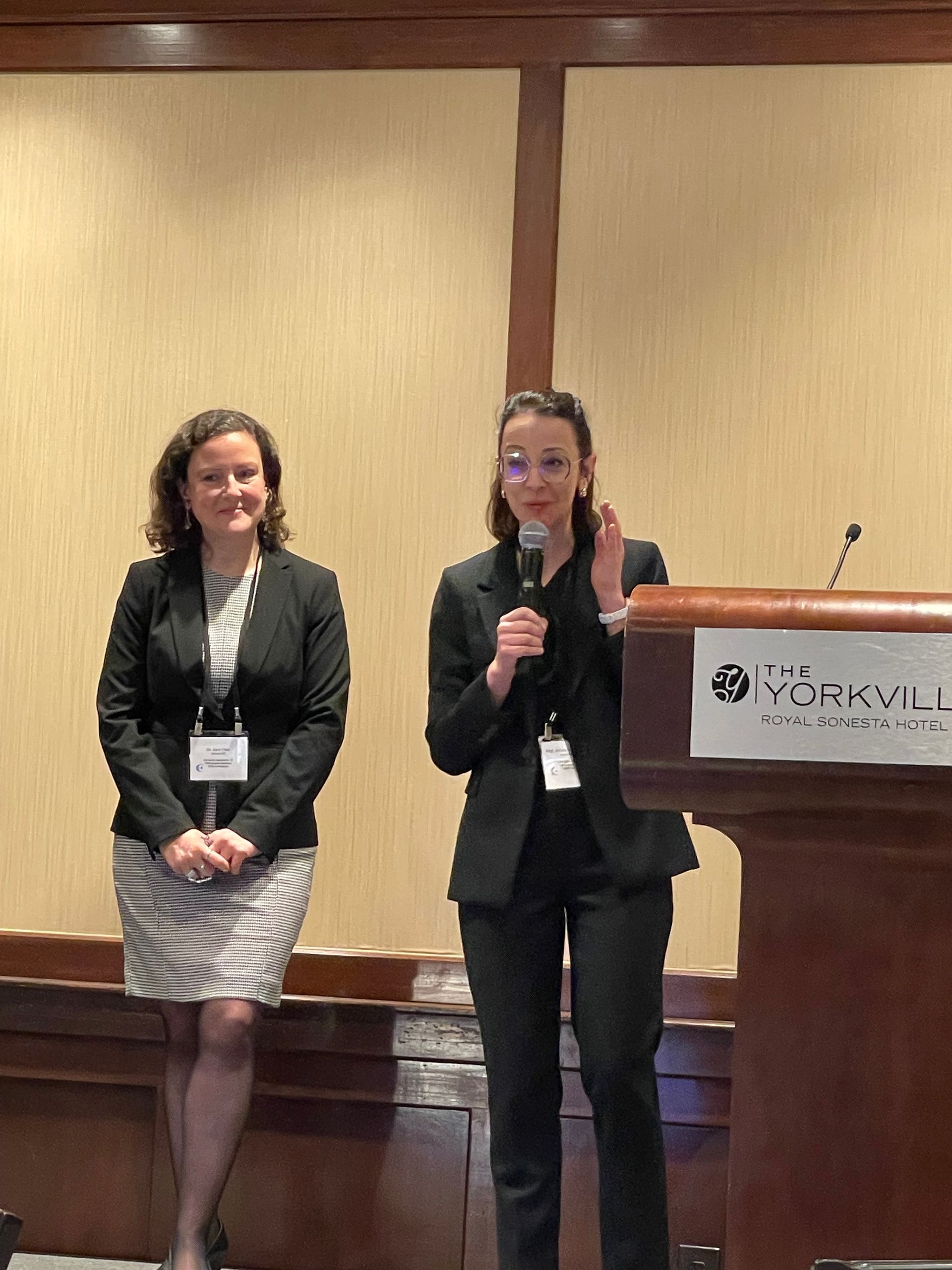
Yes. Every year in the fall we hold a two-to-three day conference either in eastern or western Canada. This is an excellent opportunity to learn more about the CAOM and about orthopaedic medicine. Format is varied for interest, with plenary lectures but also plenty of hands-on opportunities in smaller workshops, as well as networking times and exhibitor displays to visit. Topics vary year-to-year, but there is always something interesting for everyone. For more information please see the conference/AGM tab, and note the conference is open to physicians and several other allied health professionals.
